
Leading Indicator Engine
A talent manifesto
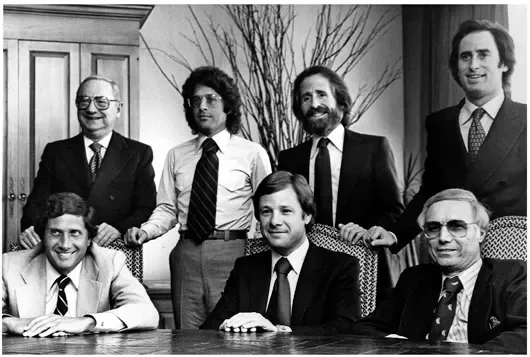
Five agents fired by William Morris opened Creative Artists Agency in January 1975 with a bank line, card tables, and folding chairs carried in from their homes. Their wives worked the front. They had no desks, no phones, and no clients.
Twenty years later, it was the most powerful institution in Hollywood.
The story of CAA’s rise is the playbook of how to position towards accumulating soft power in the world of talent.
CAA never owned a studio, a soundstage, or a film library. It owned two things: the relationship with the talent, and the trust of the people who paid for it. The package (writer, director, and stars delivered to a studio as one unit) was the mechanism for putting those two assets next to each other and charging for the proximity. Their business was, and still is, acting as the intermediary.
Michael Ovitz ran it. By the late 1980s he was the most powerful man in Hollywood.
Through the rise, another man who would become the most powerful man in another asset class was taking notes.
After Netscape, Marc Andreessen put Ovitz on the board of his next company. In 2009 he and Ben Horowitz started a venture firm and built it the way Ovitz built CAA: the network belongs to the firm, and the whole firm works for every founder it backs. The a16z operating model, in Marc and Ben’s own words, "is actually derived from the CAA model."
The most studied venture firm of the last fifteen years borrowed its architecture from a talent agency. In 2025, by its own count, it took in more than 18 percent of every venture dollar raised in America.
Venture capital is a talent business that happens to move money. The next chapter of the asset class is going to look more like the agency business of the 1980s than the fund business of the 2010s.
Unbundling Hollywood
“The lunatics have taken charge of the asylum.”
Richard Rowland, head of Metro Pictures, on the founding of United Artists in 1919
Ovitz did not win because he was the best agent in Hollywood. He won because he was the first to build an institution for a market that had already changed.
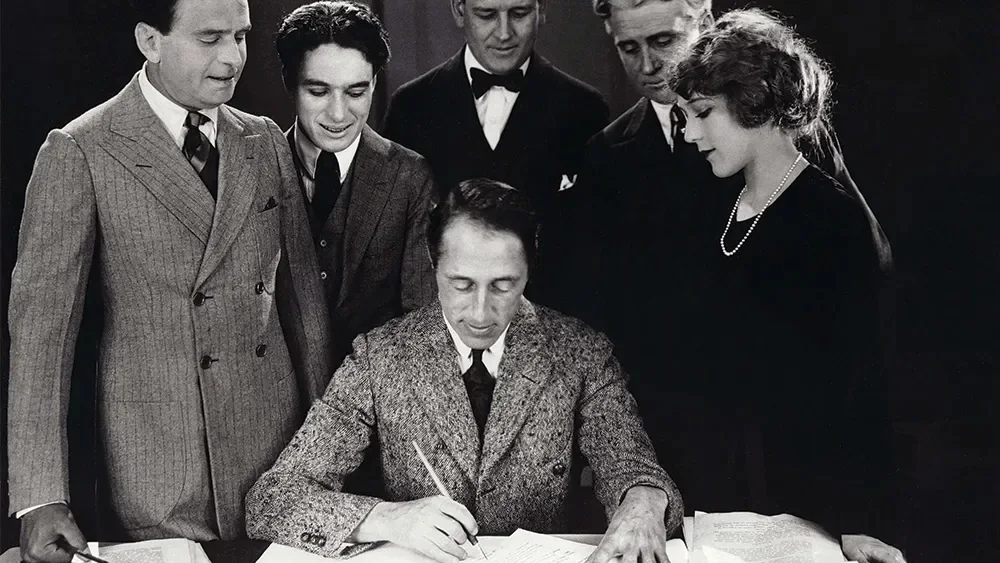
For thirty years, the studios owned the talent. Actors, writers and directors signed seven-year contracts, got loaned between lots like equipment, and were paid a salary set by the people who owned the cameras.
The 1948 Paramount decision forced the studios to sell their theaters, and over the next decade the contract system came apart with them.
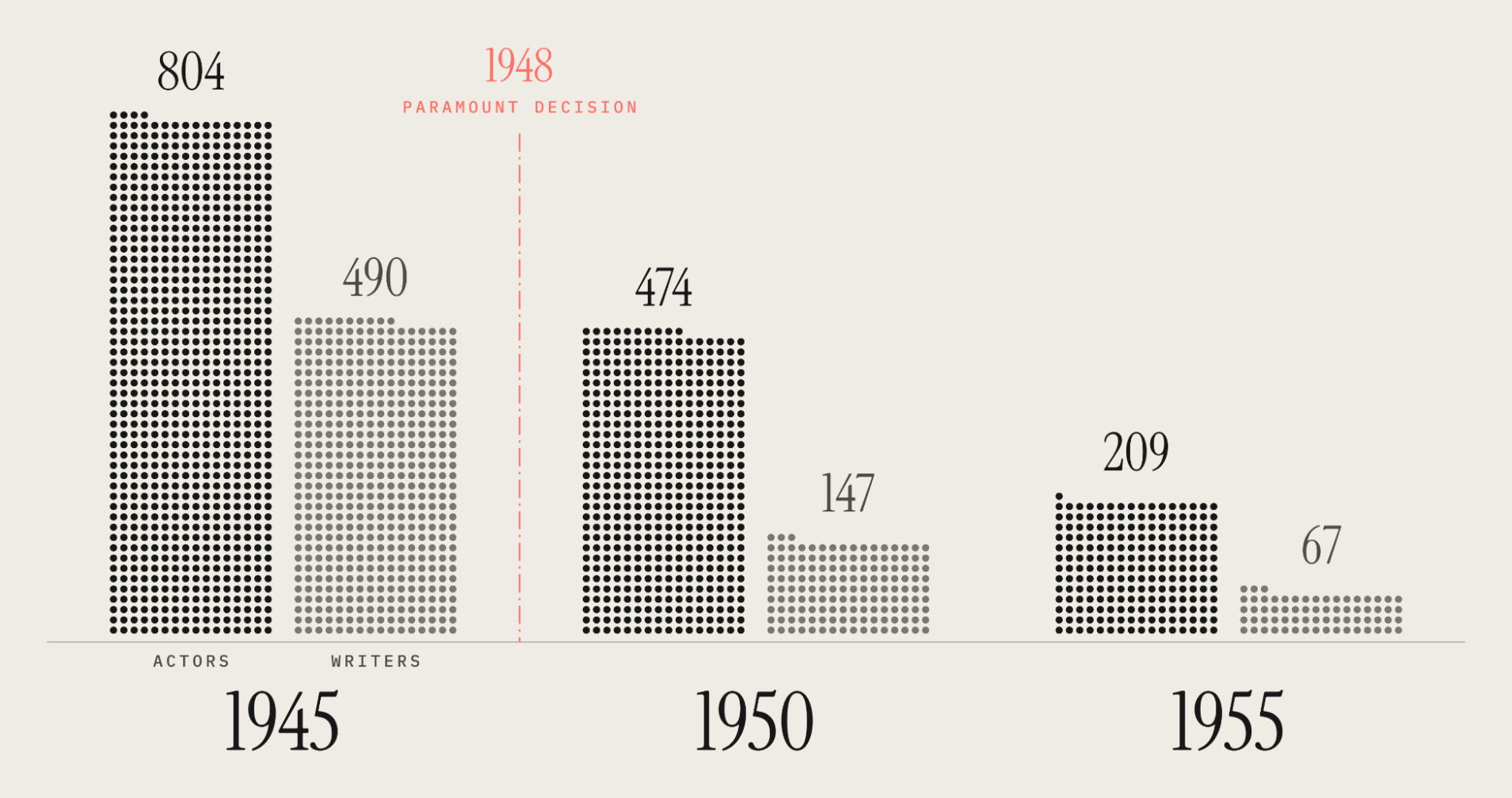
Talent became free agents. In 1950, Lew Wasserman got Jimmy Stewart a share of the profits on Winchester '73 instead of a bigger fee. More notable, the price of a star stopped being a wage.
By 1975 the free-agent market was a generation old, and the people standing between talent and money were still organized around the system that had died. Agents hoarded clients, guarded what they knew, and waited for a studio to call with a role.
The brilliance of Ovitz was recognizing where the puck was going before the rest of Hollywood caught on. He oriented CAA around three non-consensus beliefs at the time:
- 01
The relationship belongs to the institution.
CAA opened with no nameplates on the doors, no titles, and no individual client lists, and the founders split proceeds equally. Every client was covered by a team, so when an agent left, the client stayed. They had only two rules: 1) be a team player and 2) return phone calls promptly.
- 02
Information is the product.
CAA pooled everything it heard. Because it represented the writer, the director and the star on the same picture, it knew more about any deal than anyone else at the table, including the studio paying for it.
- 03
Making work > waiting for it.
Packaging was a television habit and an occasional film one. CAA made it their business. By Ovitz's count its rivals put together half a dozen multi-client projects a year, and CAA assembled thirty or more. CAA used its writers to attract actors, assembled the elements before a studio asked, and created jobs for clients instead of assigning clients to jobs.
By the mid-1990s CAA represented about 1,400 of Hollywood's top talent and brought in $150 million a year.
The pattern goes beyond film.
Talent goes free, the people in the middle stay organized around the old system, and the first institution built for the new market takes it. The same pattern is running again, in a different industry.
New Hollywood
“None of my young smart friends coming out of college want to work in finance anymore.”
Anonymous on X
Every generation has a place where its ambitious go to make a name. Capital flows, talent follows.
In 1975 it was Hollywood. In 2007 it was Wall Street. Today it is technology.
And inside technology, the closest thing to the old star system is no longer engineering. It is the people who sell.
| Hollywood (1975) | Technology (today) |
|---|---|
| The studio | The company |
| The financier | The venture firm |
| The director | The founder |
| The star(s) | The founding sellers |
| A fee pegged to the last picture | OTE pegged to the last employer |
| The backend on the box office | Equity |
| The agent waiting for a studio to call | The recruiter waiting for a req |
| The package | Three vouched sellers before the role is written |
| Information pooled every morning | The vouch graph (who vouches for whom) |
The packaging playbook is alive and well within venture-backed companies today.
A shrinking number of firms fight for allocations into a small number of founders, and those companies benefit from preferential attachment, a war chest of capital, and unlimited resources in pursuit of larger and larger ambitions. This is where the best talent wants to work.
Organizing talent around the right roles at the right companies backed by the right investors then becomes a coordination problem. This is where we see the most opportunity.
Barrel Farming
“Every single tech company in the world will be paid based on value creation. That may not be true today, but it will absolutely be true tomorrow.”
Alex Karp, TBPN, September 2025
Keith Rabois coined the term “barrels” when describing an employee you can point at a problem and walk away from; “ammunition” refers to everybody else within the company. A company's growth is gated by how many barrels it has.
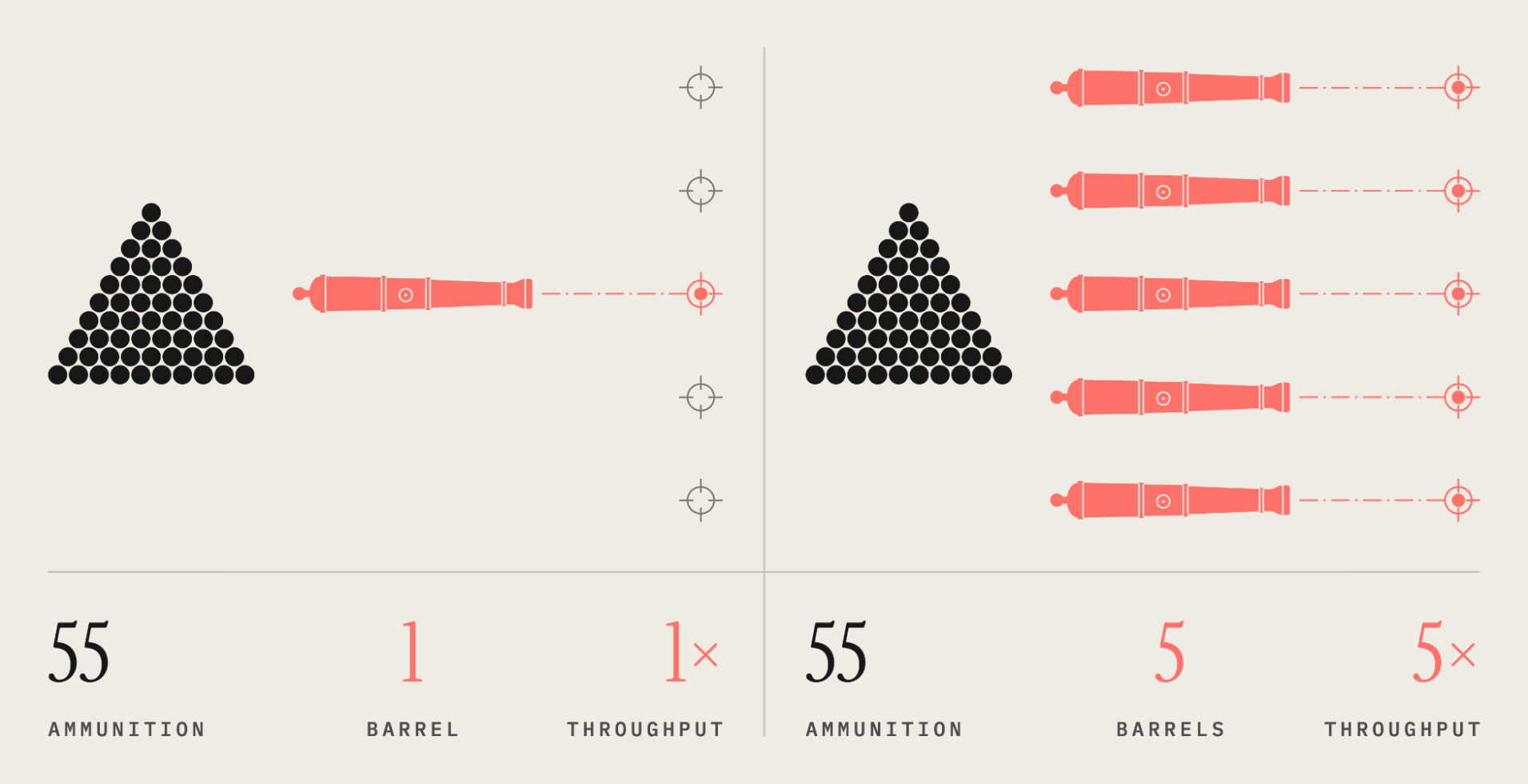
Every Pareto company I have studied has the same shape of a small number of early GTM hires responsible for the bulk of the growth, the pricing, the culture of the sales floor, and the hiring bar for the next thirty people. They set the motion that everyone after them runs.
We are in the business of barrel farming.
Baseball figured this out first.
In the 1920s, Branch Rickey's Cardinals could not afford to buy the best players from the marquee clubs, so he bought the minor-league teams that grew them. By 1940 the Cardinals controlled more than thirty clubs and some 800 players, and between 1926 and 1946 they won nine pennants. The rest of the league soon copied him, and the farm system today is a byproduct of Rickey’s ingenuity.
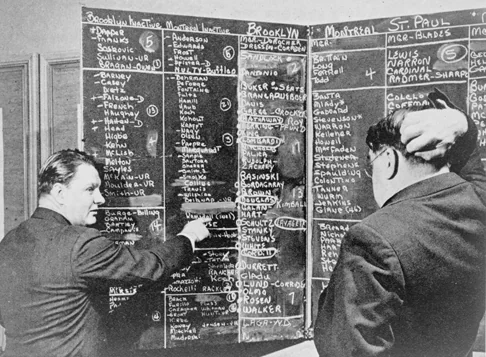
A century later, we see a similar arbitrage.
An inflection-stage startup today is in the Cardinals' position 100 years ago.
A startup cannot buy the consensus name. Even if it could, the talent it desires has usually outgrown 0-to-1 work. The ones it needs are three or four years into an early sales floor at a company in hypergrowth, under a founder and sales leader whose bars are high enough to be a selection ritual, in a role where they were quietly responsible for much of that company's growth.
Our job is to live within those company walls every quarter, know who is ripening, and thoughtfully place them at the next inflection-stage company, through the investor who backed it, at the moment its founder needs them most.
Talent Clusters & the Next Mafia
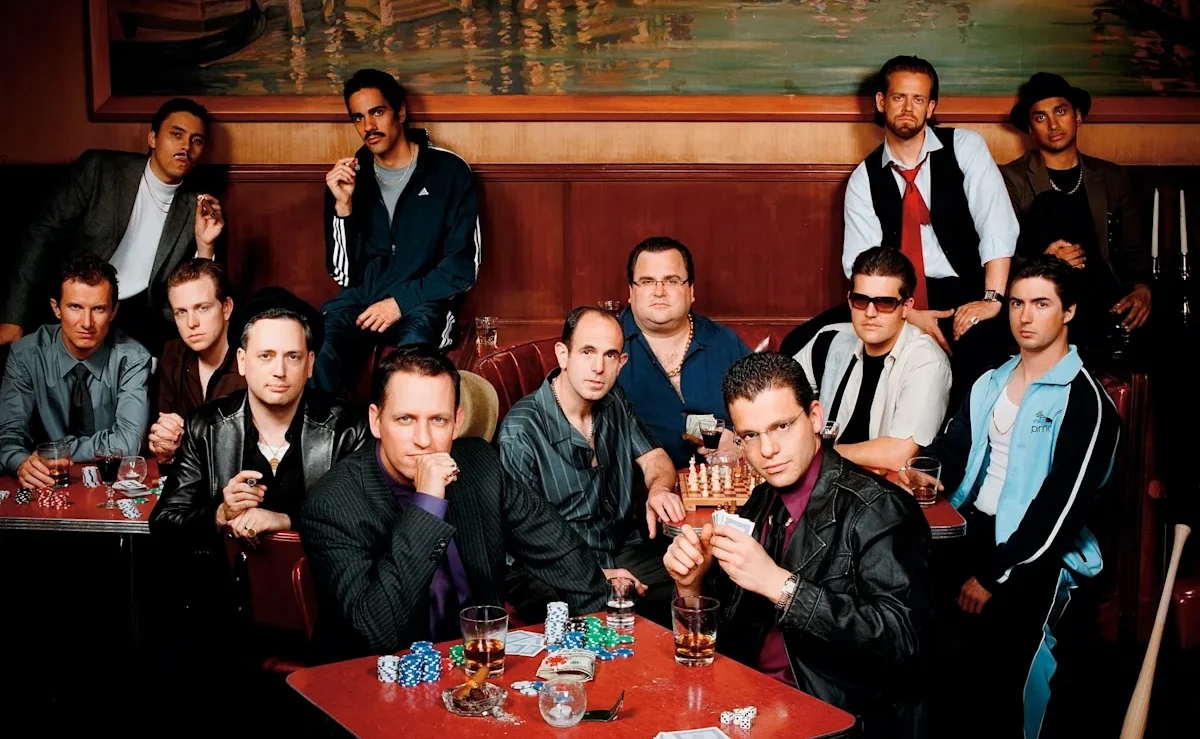
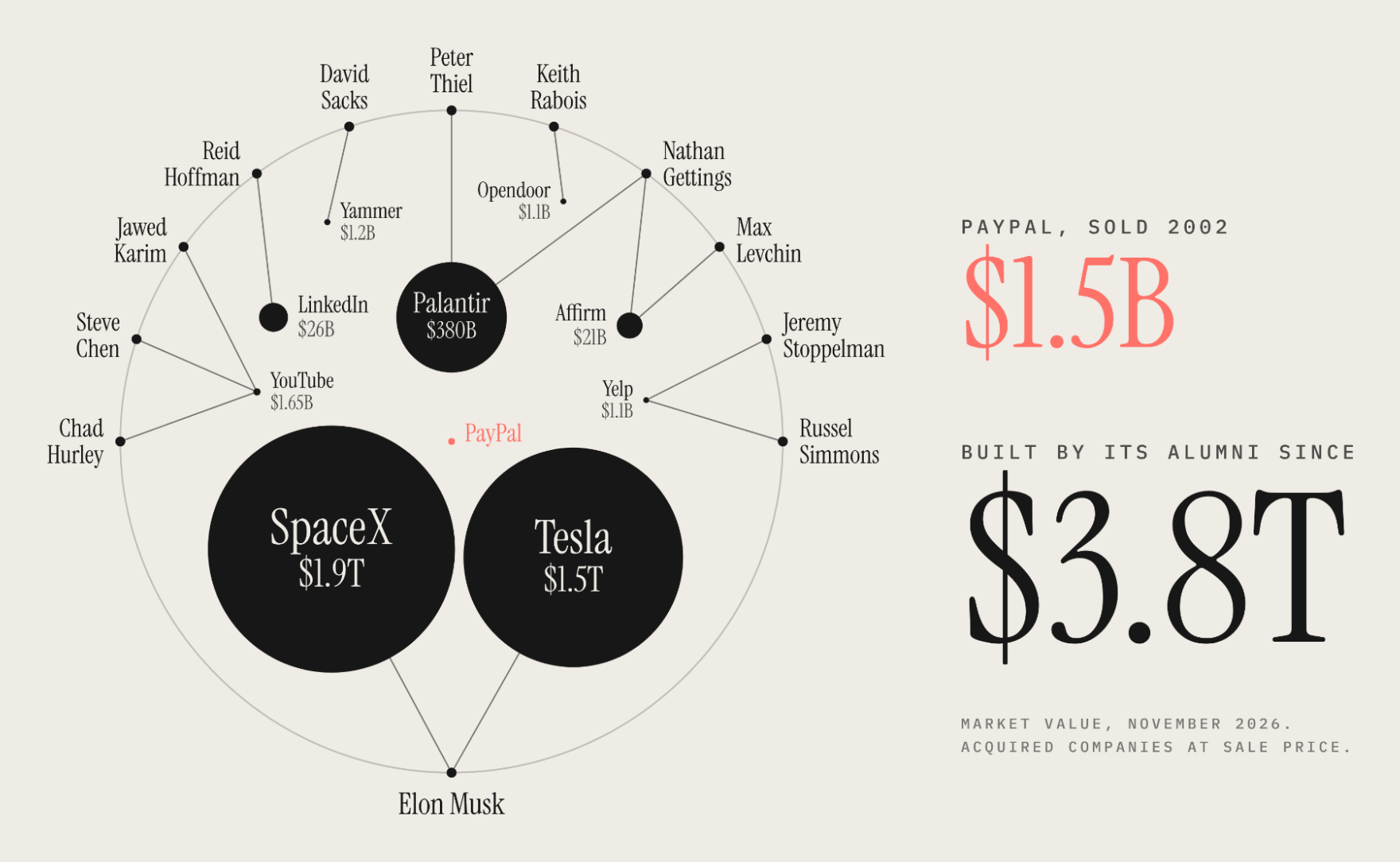
Barrels do not grow alone. They grow in clusters, and those clusters have always been a leading indicator of wealth creation.
The Traitorous Eight. The PayPal Mafia. The eight co-authors of the Transformer paper. All of them embody the same characteristics.
A cluster starts as scattered, isolated individuals. A catalyst pulls a few of them together. Something binds them (shared suffering is the fastest binder, a shared enemy gives direction, shared selection gives respect). An identity forms, ambition recalibrates against the room, and then the cluster crystallizes. It gets a name, a Fortune photo, and a price.
The GTM version of the PayPal Mafia already exists. It just doesn’t have a name yet.
The early sales floors of the last cycle's category winners are clusters, and the diaspora event is arriving on schedule as those companies grow past the stage where an owner-operator wants to be there.
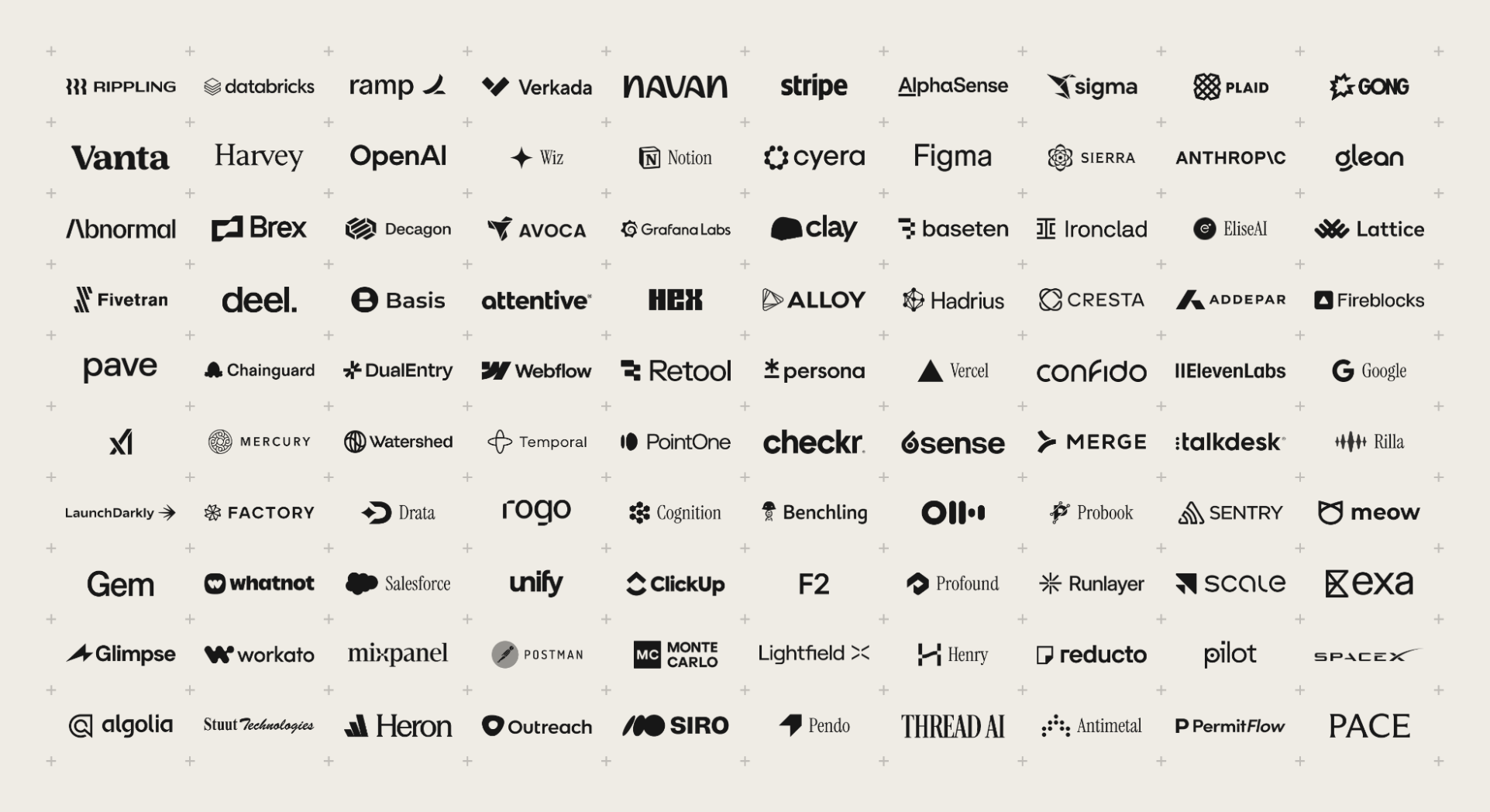
These people are employee #10 at companies you have heard of, but their title understates their contribution. Their talent is recognized within company walls but not outside of those walls (yet).
The mispricing of these people is widest at the inflection stage.
The best operators underwrite companies the way investors do. They have more skin in it than most seed funds, because they cannot diversify. They are investors, only they just get paid in a different instrument.
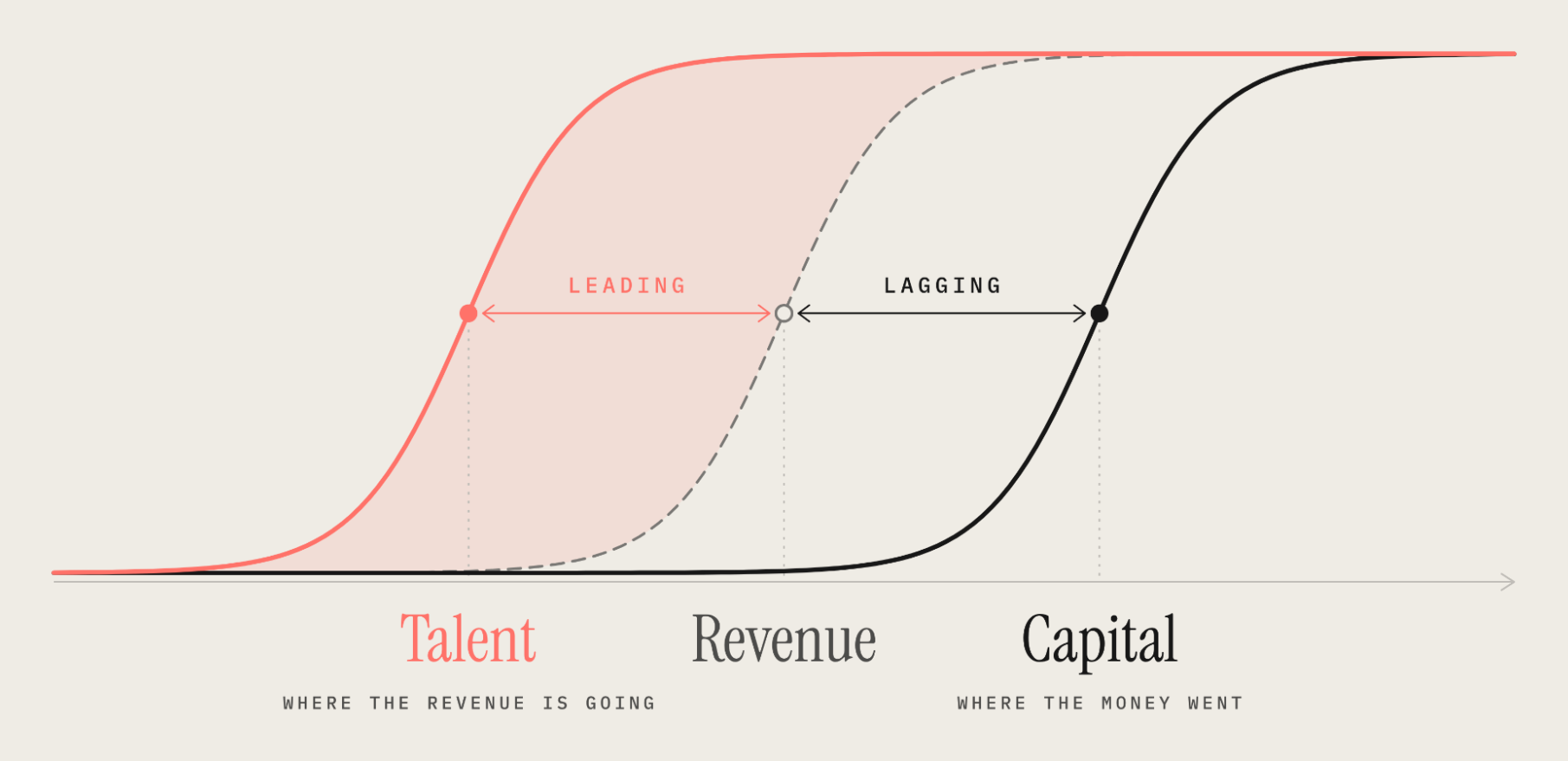
Where a founding AE chooses to work is a leading indicator.
Where a seed fund chooses to invest is a lagging one.
Inverting Optionality
“I don't want to belong to any club that will accept me as a member.”
Groucho Marx
The returns in venture capital come from a small number of companies each year. The diffusion of the Great Man Theory has created walled gardens around these prized assets, and only a small number of firms have warranted the brand (and capital base) to be on the cap table.
We see competing for allocation through a commoditized instrument as a losing game. We see talent routing into these companies as a game worth pursuing, although it takes a unique skillset to master.
We do not pick companies. We pick the pickers. They pick companies, and we pick the talent.
What we sell is scarcity, and scarcity has to be manufactured on all sides of the trade. The model does not work without curation and limits to scale.
- There are roughly 250 companies we recruit from that act as talent clusters today. Every year, companies are added and dropped.
- From those companies, we manually audit roughly 4,000 candidates every quarter that match our bar. Of those, roughly 500 are actively exploring new roles at any given time.
- I have spoken with 800+ fund managers over the past decade in venture, and we work closely with ~40 GPs who I think are the best in the world at early-stage investing.
- Every year, these GPs back 5-10 companies. ~80% are based in areas and themes we focus on (160-320 companies). ~50% are hiring across founding GTM (50-160 companies). That leaves roughly 15-40 companies per quarter to target which converts to 2-5 that get all of our attention.
Selling scarcity does not survive a long list of companies. The constraint is the product, and the constraint is set by which investors we work with. The smiling curve is how we think about firm selection.
In any value chain, value collects at the two ends and drains out of the middle, and venture is no exception. On the right end are the agglomerators, who earn the right to concentrate through coverage, platform, and scale. AUM is the product. On the left end are the specialists, who earn it through depth and calibration and know their edge dies at scale.
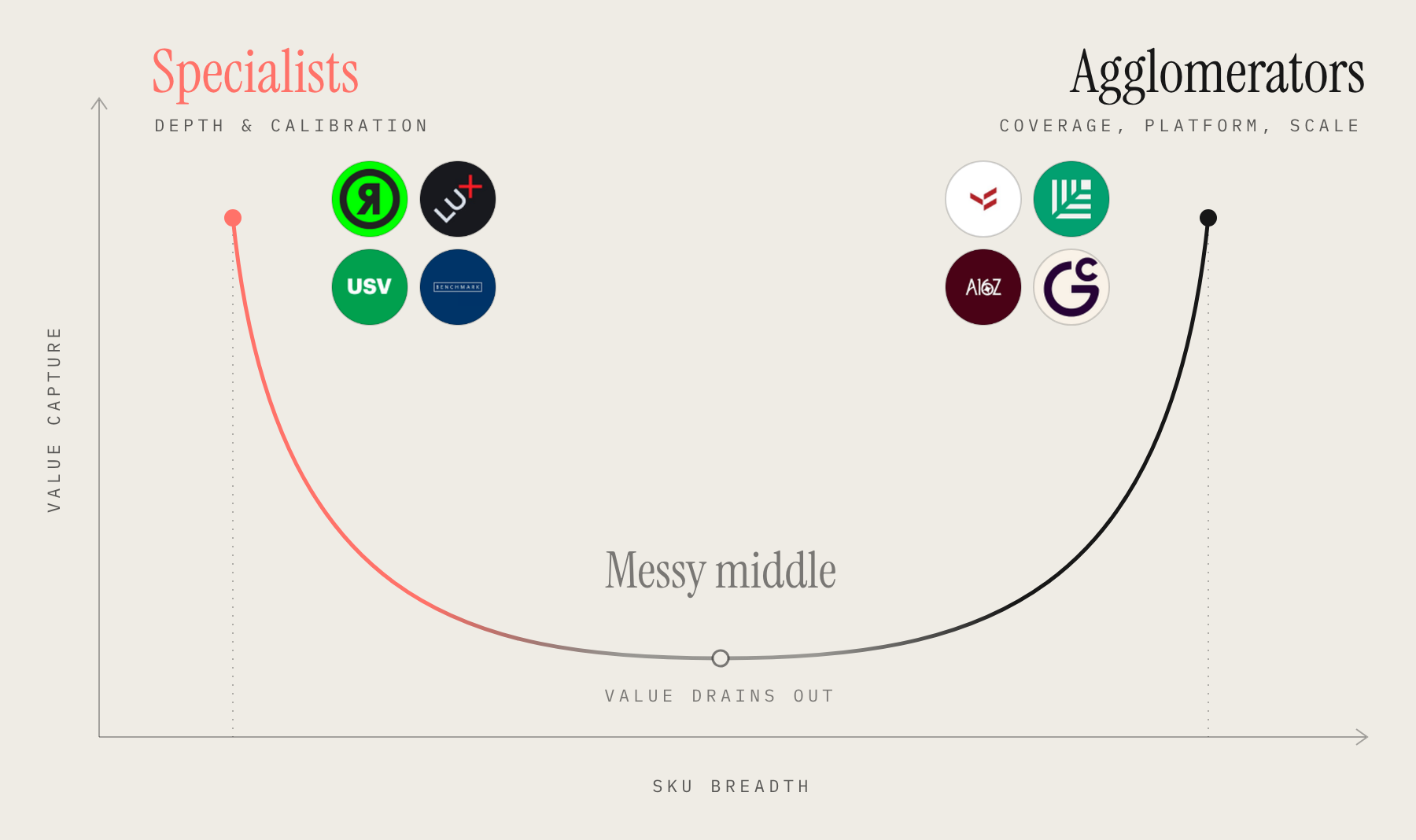
Some common traits of the managers and investment firms we work with:
- A traceable thesis. The best thesis-driven firms make investments that are downstream of philosophies → themes → theses → investments. They are think tanks that publish the future before they trade on it.
- Early to the category. They back companies before the category has a name, which is exactly where the operators we want would rather be employee #5.
- A seat at the table. They lead, they sit on the board, and an introduction from them is one a founder acts on the same day.
- No platform team of their own. An agglomerator can try to build what we do in-house. A specialist would rather borrow it.
- A long game. We want a small number of managers we can work with for decades, compounding in the same direction until something breaks.
Positional Scarcity
“But they are useless. They can only give you answers.”
Pablo Picasso on computers, 1964
Betting on people in the superintelligence age has become a non-consensus bet, but we think the current era rhymes with abundance cycles of the past.
Every one of these cycles starts the same way. A technology collapses the cost of a critical input, and everything built on that input gets cheap at once.
Abundance does not eliminate scarcity, but it does relocate it. When there is more of everything, the scarce thing becomes your position relative to everyone else.
Alex Danco would refer to this as positional scarcity.
You need curation (a tight filter), prestige (a meaningful stamp of approval), and access (congestion blockers). Where they overlap you get legitimacy, proximity, extortion, and at the center, the loyalty business.
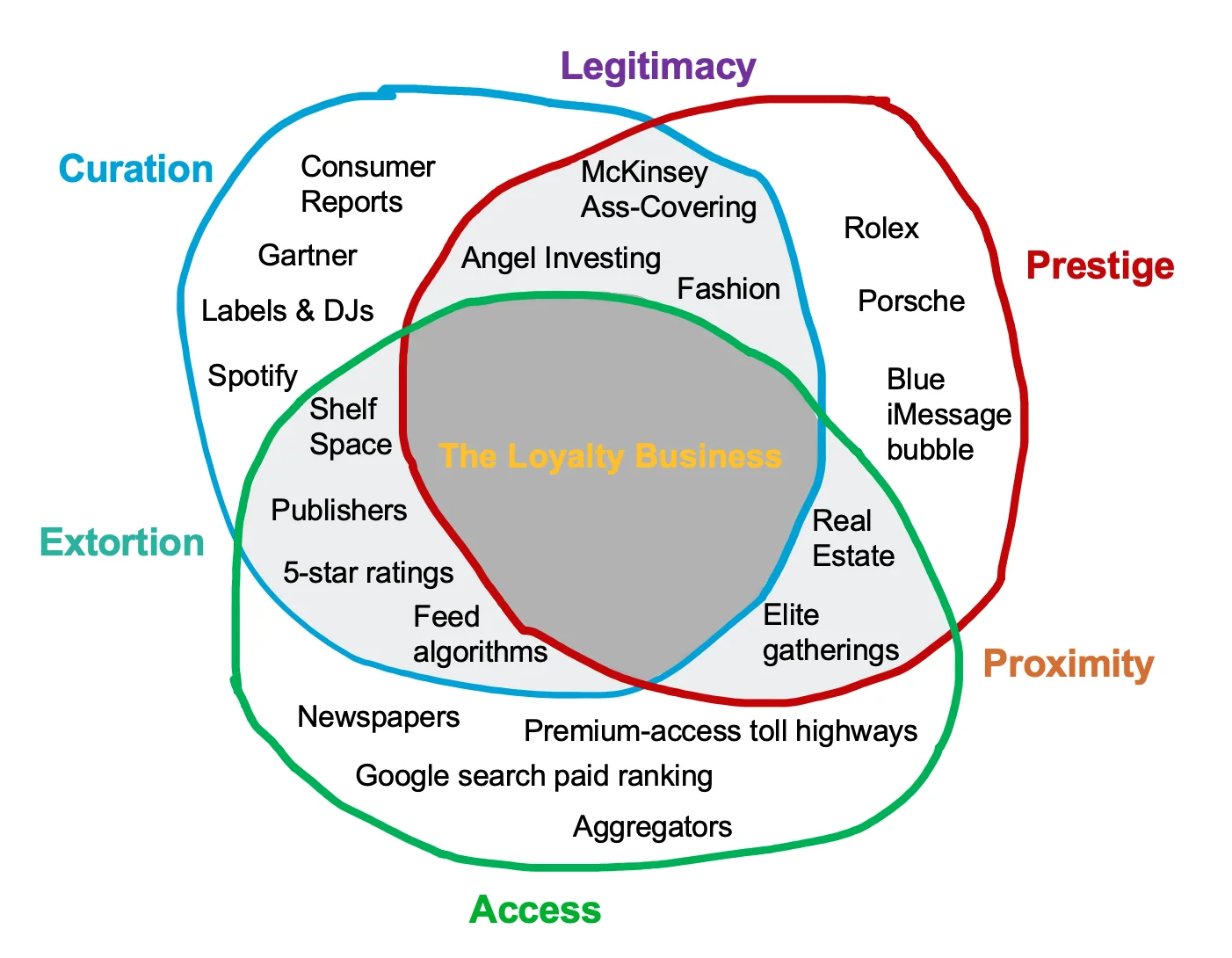
Applied to the talent business:
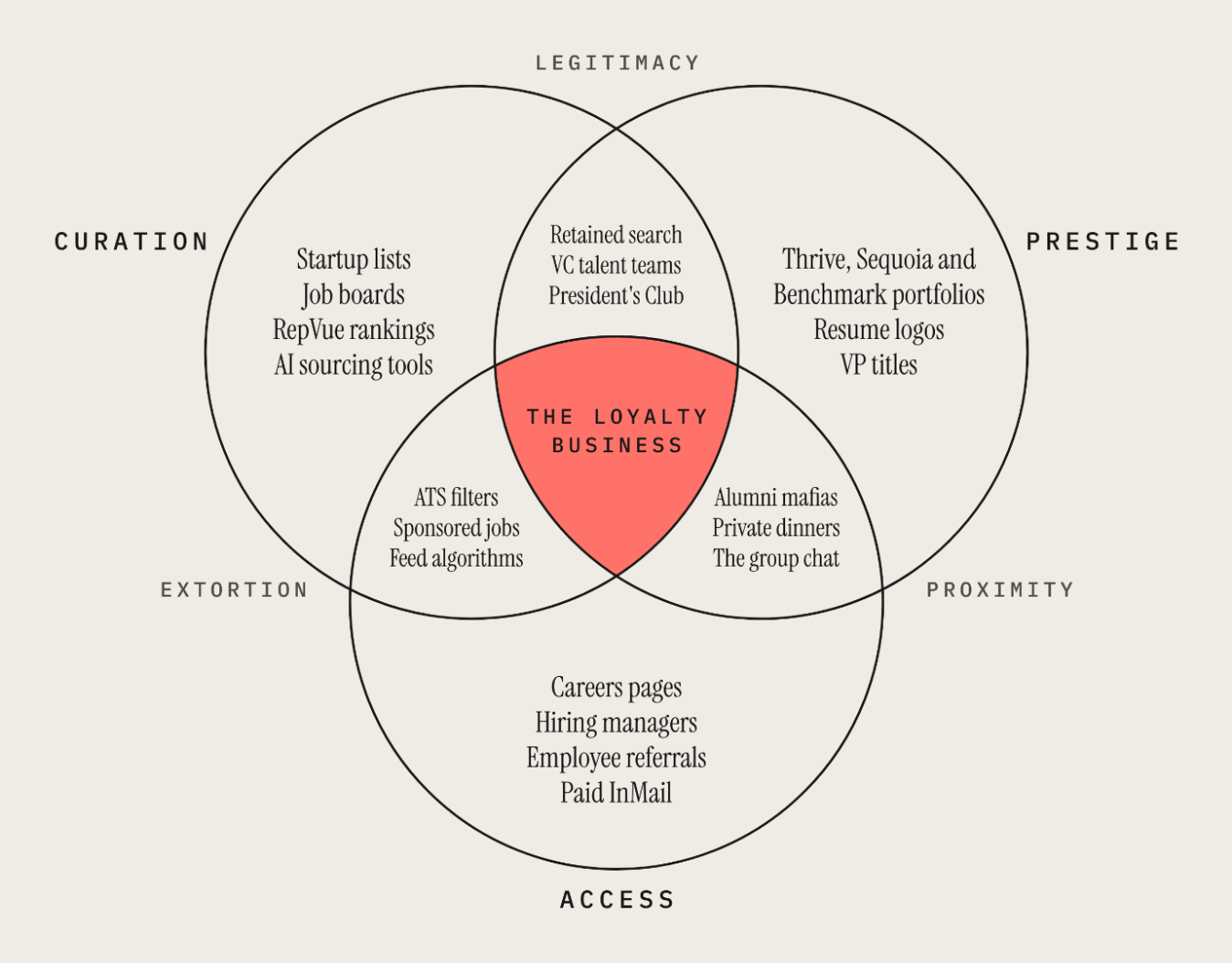
Notable firms on the cap table lend prestige. RepVue rankings curates what is real and what is not. Career pages give the illusion of access.
The incumbents cannot follow without breaking the business they already have. A job board that turns people away stops being a job board. A recruiter who lives on reqs cannot turn one down. A fund’s talent team cannot place outside its own portfolio.
The center is a loyalty business, built on people coming back. If done correctly, the seller we place at twenty-eight should be calling us at thirty-two. The company we work with at the seed should be calling us at the A. The investor that introduced us to that company should be giving us ROFR for the rest of the portfolio.
Rules of Intermediaries
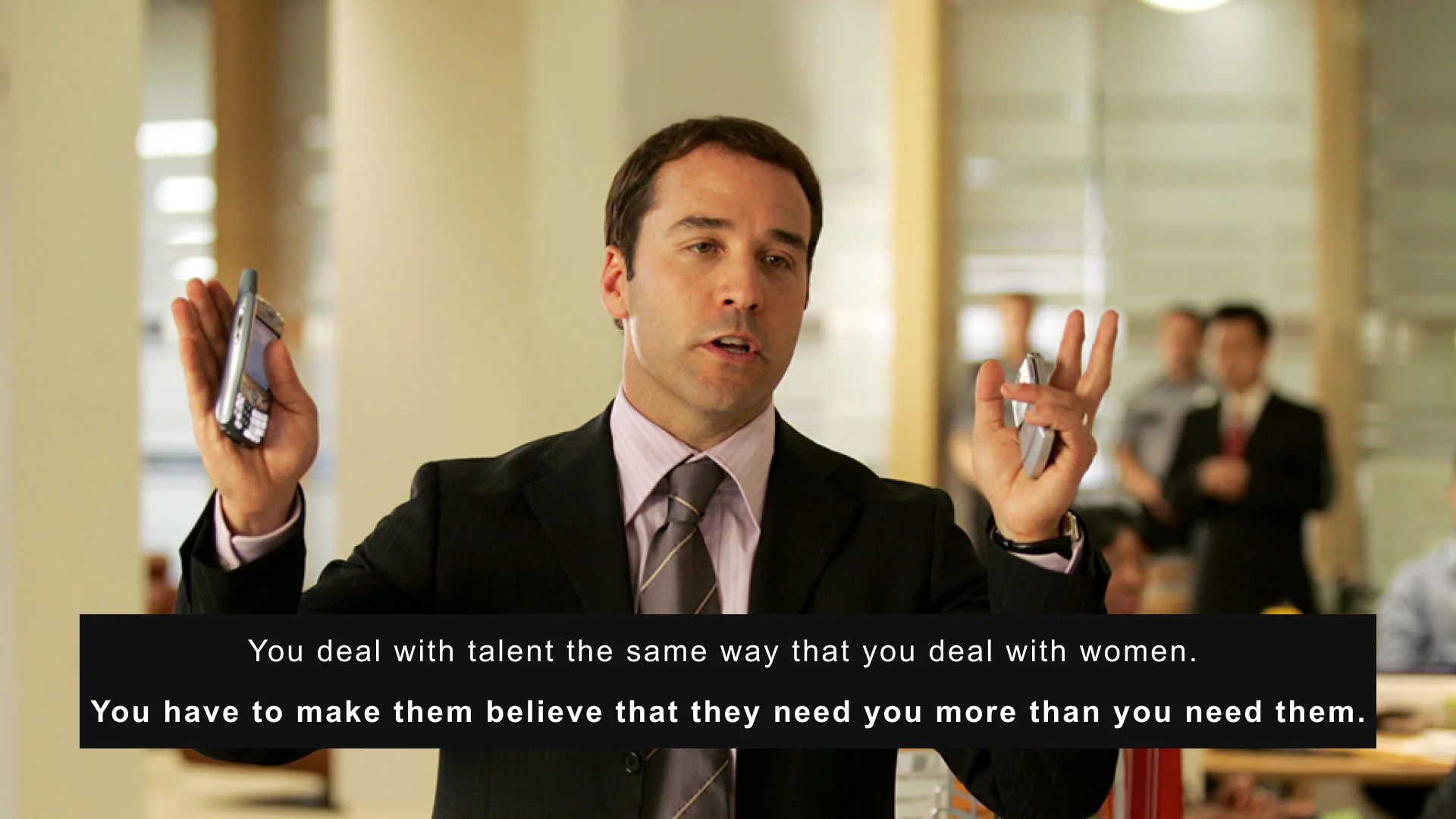
Before VCs established that talent was the best asset, a handful of people built billion-dollar firms on it without owning the talent or the buyer.
World-class intermediaries need to live by a set of principles. Below are some borrowed concepts we have applied:
- 01
Never pitch the account.
Mark McCormack was already booking exhibitions for a dozen golfers when Arnold Palmer asked him to handle everything. David Beirne, the recruiter who put Jim Barksdale into Netscape, opened first meetings by saying he had nothing to sell that day. We show up with three vouched sellers and let the work make the ask.
- 02
The world runs on borrowed credibility.
When Ben Horowitz introduced Databricks' Ali Ghodsi to Satya Nadella, Ghodsi had about twenty emails from people at Microsoft within hours, all asking to meet. A seed-stage founder needs the same thing with sellers.
- 03
Keep the plans in the drawer.
When New Deal money reached the cities in 1933, most had nothing ready to build. Robert Moses had been planning New York's parks since the late 1920s, years before anyone gave him the job. Named parks commissioner in January 1934, he had 1,800 designers and engineers drawing and 70,000 relief workers building within the year. The money went to the man with the drawings.
- 04
Infinite games.
Ovitz's rule at CAA was that a non-client is a future client who has not realized it yet. The sellers worth moving are employed, well paid, and not looking. A “no” from one of them is the first entry in the file.
- 05
The vouch is the unit.
Offered forty-five minutes to pitch for the Disney search, the headhunter Gerry Roche is said to have asked for fifteen. He won another by telling the committee to stop listening to him and call his old clients. The best sellers don’t need to sell because the intro path has already done the heavy lifting.
- 06
Fee identity.
IMG took 25 percent from its golfers and tennis players when team-sport agents took 3 to 5. Your fee structure is the client's view of your incentive. Delivering a luxury service needs to warrant a luxury price point.
- 07
Conflicts and addressing the elephant in the room.
IMG represented the players, ran the tournaments they played in, and sold the television rights. Its defense was disclosure, and after thirty years the head of the European Tour could say that no agreement had been broken. We are paid by the company, usually introduced by its investor, and we hold the right to invest afterwards to own a piece of our work.
- 08
Stay fireable.
Moses held as many as twelve public offices at once and was never elected to one. He wrote his authority into the bond contracts of the Triborough Bridge Authority, where no mayor or governor could reach it, and he kept it until 1968. An intermediary nobody can fire stops listening. Nothing holds a founder or a seller to us except how the last introduction went.
- 09
Turn the fee into ownership.
Lew Wasserman went from ten percent of a star's salary to half the profits of a picture. This then rolled into owning the studio. Beirne recruited Netscape's chief executive, and two years later Benchmark made him a partner. A recruiter is paid when the offer is signed. An owner is paid when the hire works.
- 10
Best (not biggest).
A year after Russell Reynolds opened his search firm, Lester Korn of Korn Ferry offered him an equal partnership and said he meant to build the biggest in the world. Reynolds said no. He had decided to build the best.
Leading Indicators of Future Institutions
“An institution is the lengthened shadow of men.”
Ralph Waldo Emerson, Self-Reliance, 1841
CAA reached the heights of Hollywood by building their own positional scarcity around prestige, access, and curation. They knew the studios, represented the directors, and owned the relationship with the talent. Over years, this became the ultimate loyalty business to emulate, and our business takes a similar approach to a different set of players.
Venture capital is an outlier game, and out-of-distribution companies are created by out-of-distribution people. The people who sell for them are the most mispriced asset in the ecosystem.
Funding rounds tell you where the money went, but the first three sellers tell you where the money is going. In an asset class that promises the ability to see the future, we find it ironic that most investment decisions today are made using lagging indicators.
We are in the business of creating leading indicators for a small group of companies we plan on working with for many years to come.
If you think there are ways to work together, let us know what you are thinking.